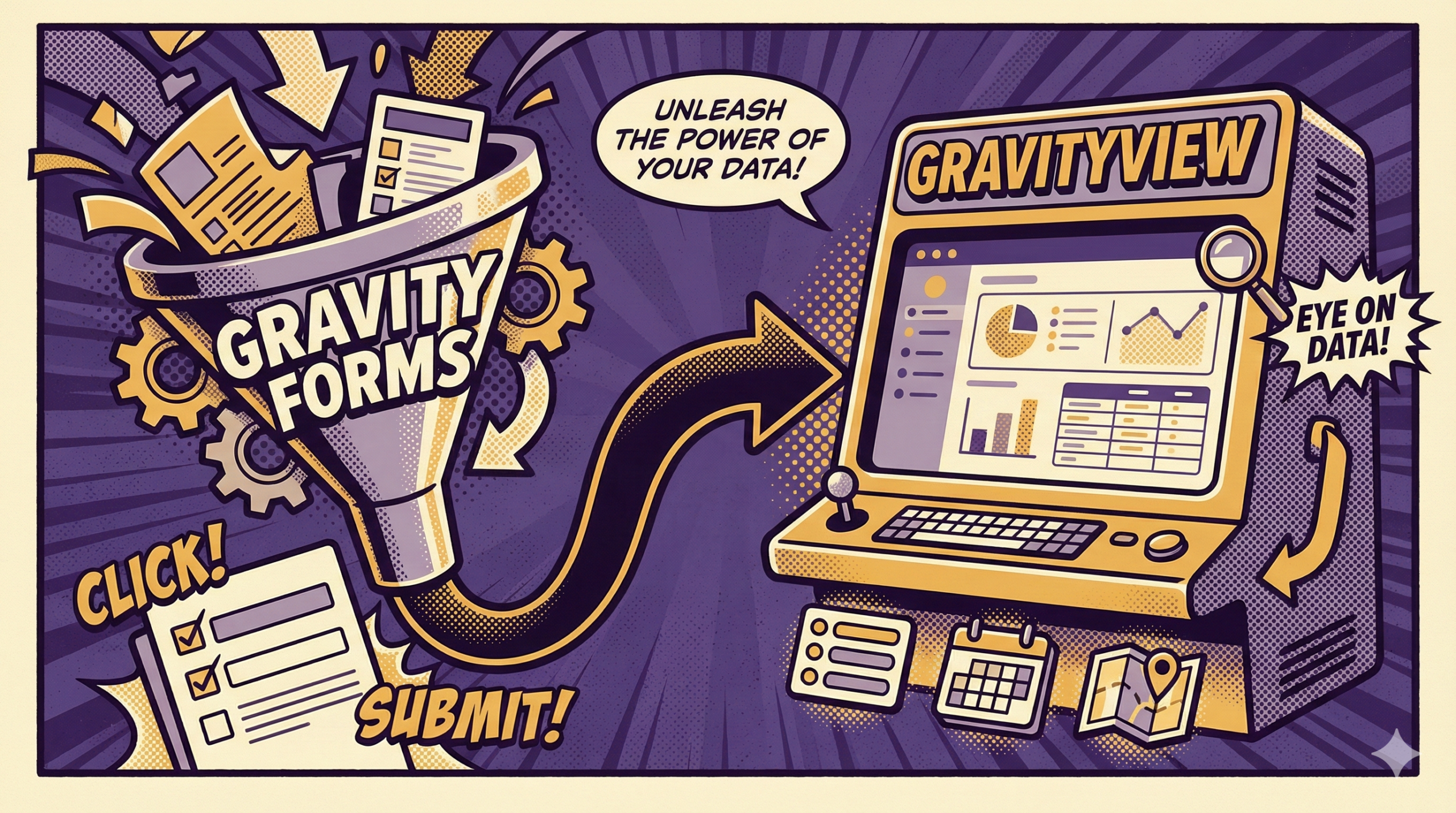
Gravity Forms does one job extremely well: it collects structured information and stores it as entries inside WordPress. Collection, though, is only part of what …
Gravity Forms integration means adding capability around Gravity Forms so users can do more than Gravity Forms alone supports. It is a standard: entries should …
Most businesses that use Gravity Forms started with a simple need: collect contact requests without publishing an email address. Someone installed Gravity Forms, built a …
Automated handling of form submissions has become a common operational pattern. A Gravity Forms submission is received, passed along, and used to trigger follow-up activity …
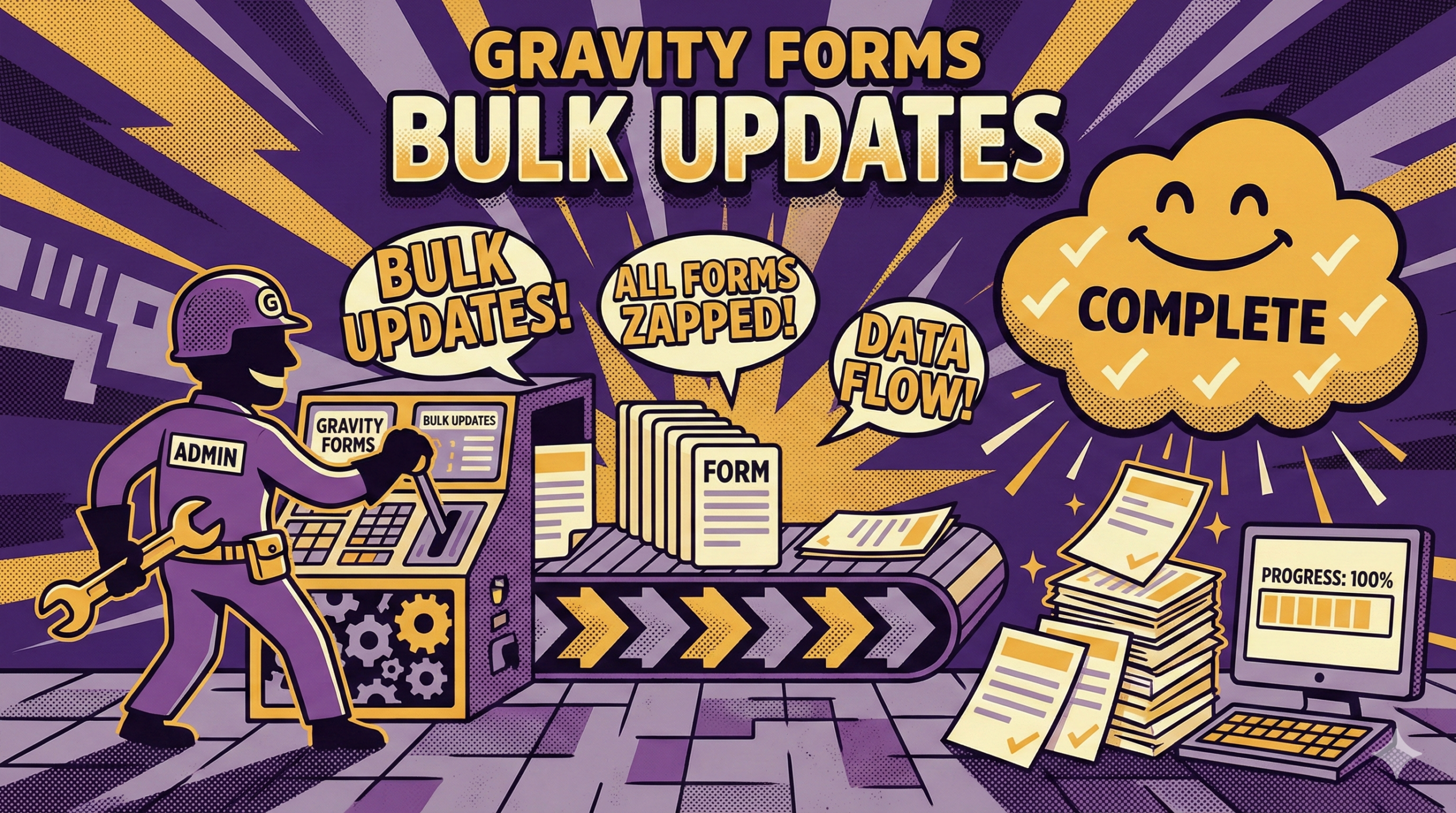
Many businesses send the same update to large groups of people. Status notices. Schedule changes. Policy updates. Process announcements. The sending itself is rarely the …
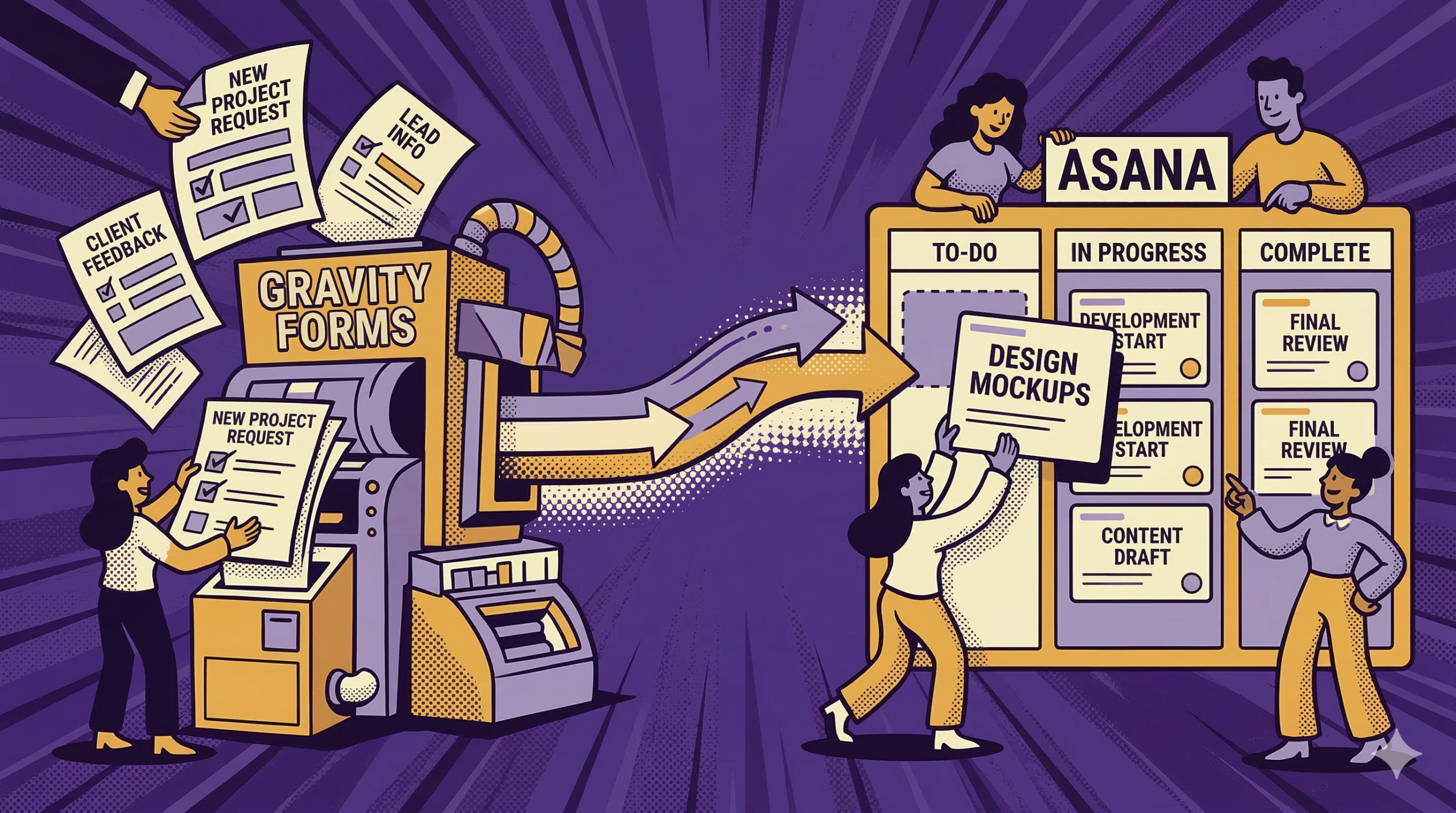
In many organizations, Gravity Forms and Asana already coexist. Gravity Forms sits at the front door, collecting requests through the website. Asana runs internally, where …
Gravity Forms often sits at the front door of customer intake. It decides what gets collected, how submissions are structured, and which conditional paths apply …
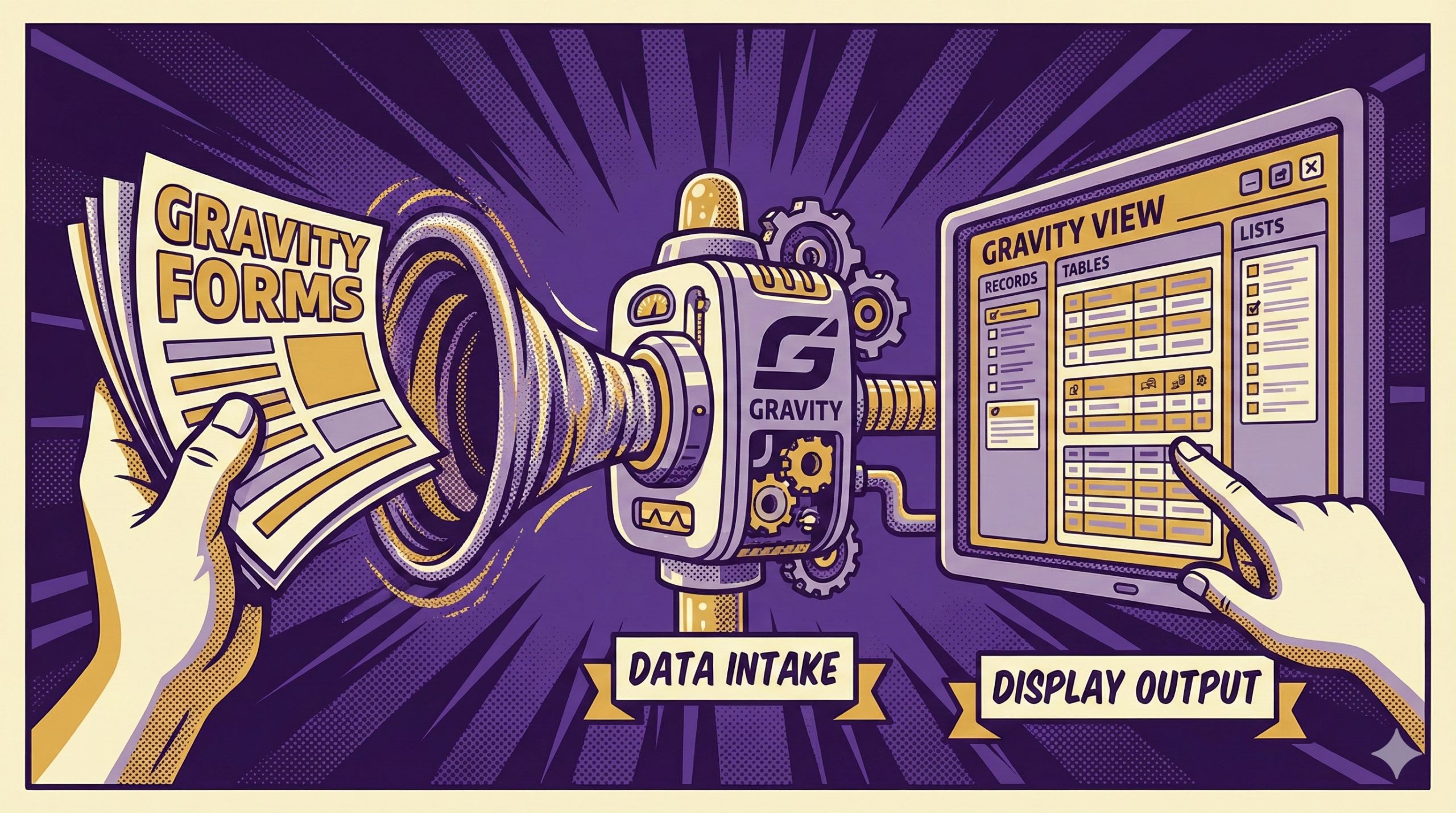
If you use Gravity Forms, you already understand the intake side. People submit information through a form, and WordPress stores it as entries. That’s often …