Coding Without a Paradigm
As developers, we know the drill: building features on top of features, trying to patch together disparate systems that rarely communicate with each other. In the traditional development world, especially when using WordPress for basic websites, it’s easy to fall into this trap. Without a guiding operational framework, everything becomes reactive. You patch up broken workflows, create one-off solutions for different departments, and every new request feels like starting from scratch.
Without a unified system to build from, businesses operate in silos, and developers are left to play catch-up. This is what we were doing, day in and day out — building tools without thinking about the bigger picture. As developers, it left us feeling more like firefighters than creators.
The disconnect between data, workflows, and visibility was exhausting. It was difficult to understand the long-term impact of changes in one area because everything felt siloed. Each form submission, each integration, each feature request seemed like a unique case that required a new solution. There was no unifying thread tying everything together.
The Cost of Fragmented Operations
The friction created by this kind of system is enormous. From an engineering perspective, building in this environment means that every task is more complex than it should be. You’re constantly translating data between systems, building one-off solutions, and firefighting issues that arise from disjointed workflows.
Take, for example, handling form submissions. Without an integrated operational system, you end up relying on manual imports, exports, and basic automation tools that only scratch the surface. This leads to inefficiencies that drain time and resources. The business risks errors, missed opportunities, and, ultimately, a frustrated user base.
From a technical standpoint, this approach is slow, error-prone, and ultimately unsustainable. As the business grows, so does the complexity, and suddenly you find yourself buried under a pile of point solutions that only make things harder.
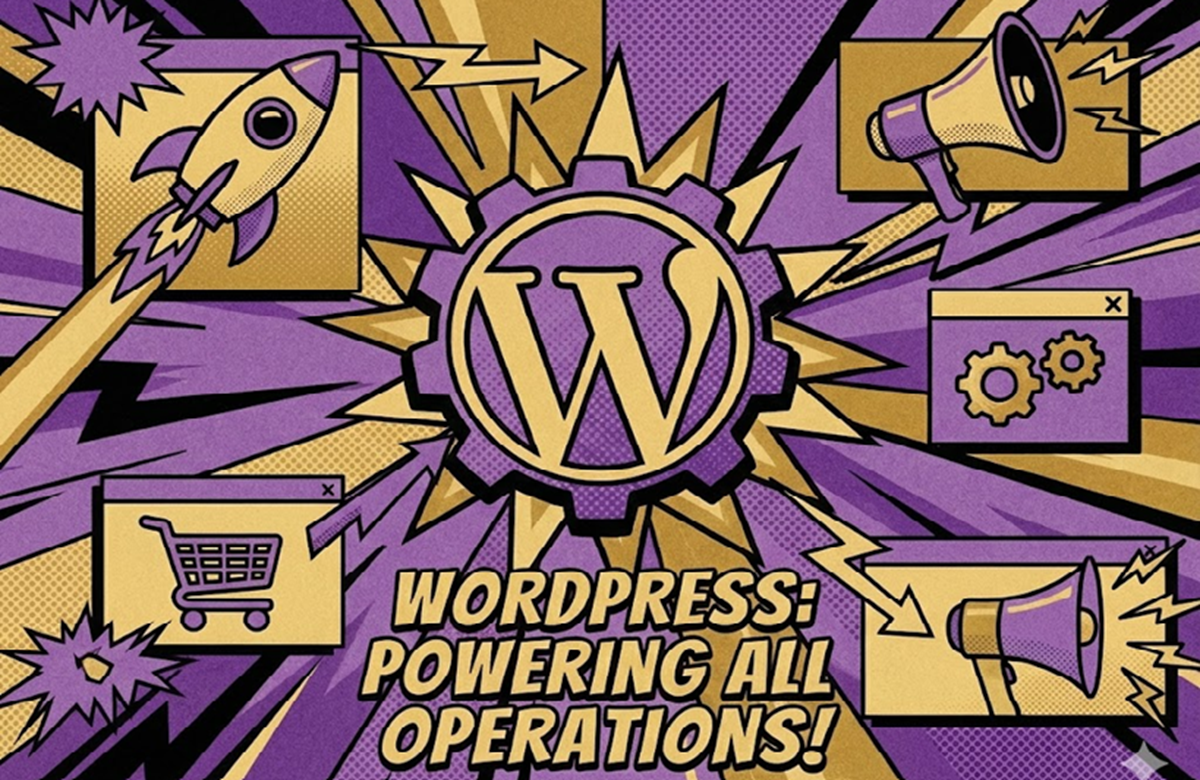
The Paradigm Shift: WordPress as the Operations Hub
The shift didn’t happen all at once. It was a gradual realization that evolved over time. As we continued to build, test, and iterate, we began to see a new possibility for WordPress. Initially, we were all thinking about it as just a content management system, but slowly, we started to wonder: What if WordPress could be more than that? What if it could serve as the operational hub for our entire business?
It was through this evolving mindset that we, as a company, began to look at the Gravity Forms ecosystem in a completely different light. It wasn’t just about collecting data with forms anymore. We began to see Gravity Forms as the data intake layer, and GravityView as the tool that could transform that data into real-time, actionable insights.
But as we expanded our thinking, we saw even further potential. Gravity Flow played a key role in automating and streamlining those workflows we were building. With Gravity Flow, we could automate multi-step processes, manage approvals, and track data through each step — seamlessly tying everything together within WordPress.
This shift in perspective was the first step toward realizing how much more WordPress could do when viewed as an operations platform.
As a team, we learned to think beyond the traditional form submissions. We stopped just coding features and started building cohesive workflows. The tools we had at our disposal — Gravity Forms, GravityView, Gravity Flow, and Gravity Wiz — stopped being just individual plugins; they became the core components of an operational ecosystem. Together, they formed a unified structure that allowed us to automate workflows, consolidate data, and make decisions from a single platform. This wasn’t just about enhancing functionality; it was about reimagining how business operations could be streamlined and scaled.
This shift in mindset, in hindsight, was crucial not only for the tools we were building, but also for what would eventually lead to the creation of GravityOps.
How the Developer Workflow Changed
The shift was gradual, but it fundamentally changed how we developed software. Instead of writing isolated code to handle individual needs, we began to build systems. Everything we did had a purpose in the grander scheme of business operations, and the framework we were working within — the Gravity ecosystem — made it all possible.
With Gravity Forms as the intake layer, we could easily capture and store data. But it wasn’t just about data collection — it was about creating predictable workflows that allowed for automation. With GravityView, we could turn that data into actionable insights, creating real-time dashboards that displayed critical information in one view. Gravity Flow took things a step further by allowing us to automate processes that involved multiple steps and approvals, which helped us reduce manual intervention and ensure consistency across workflows.
Then, Gravity Wiz brought an additional layer of flexibility to the system. Perks and Connect offered us powerful ways to extend Gravity Forms’ capabilities, enabling us to do things like create parent-child form relationships using Nested Forms or dynamically populate options with GPPA — all of which fit seamlessly into the workflows we were building.
We also discovered how extendable and flexible these tools were. For example, GravityView isn’t just a simple display tool — it’s so extendable that we were able to build our own custom view type, Kanban View for GravityView, which allowed us to create a completely unique, customized way of displaying data within GravityView. This is one of the many ways that Gravity Forms, along with its ecosystem tools, made it incredibly easy for us to extend functionality and tailor solutions exactly to our needs. And the beauty of it is, this extensibility is baked into the design of Gravity Forms and its add-ons, which made the development process so much smoother and faster.
This wasn’t just about adding features or improving functionality. This was a new way of thinking about how to build software — with operations at the forefront. The complexity of the systems we were building became manageable because we had a clear operational structure in place.
What Building Inside This Ecosystem Enables
When you start thinking in terms of workflows instead of features, the potential is endless. You gain the ability to:
- Streamline processes: Build out consistent workflows that handle everything from data entry to decision-making. No more manual data entry or fragmented processes.
- Improve data visibility: With GravityView, all your operational data is easily accessible and actionable in real-time.
- Automate tasks: From client onboarding to invoicing, the ecosystem enables you to automate time-consuming tasks, freeing up your team to focus on what matters.
- Create consistency: Because you’re working within a unified system, your operations are more consistent, more reliable, and easier to manage.
These aren’t just technical benefits; they have a profound impact on the way businesses operate. By consolidating operations into a single platform, companies can reduce overhead, minimize errors, and improve efficiency. And as a developer, you’re empowered to build systems that not only work but are also scalable and adaptable to future needs.
The Broader Implication for Implementers and Agencies
This paradigm shift isn’t just for developers; it’s for anyone involved in WordPress-based operations. Agencies and business owners can harness the power of Gravity Forms, GravityView, Gravity Flow, Gravity Wiz, and the wider Gravity ecosystem to consolidate their operations in a way that was never before possible.
For agencies, this means that the days of managing disjointed tools and systems are over. Gravity Forms becomes the central hub for managing all aspects of client workflows, whether it’s form submissions, project management, or invoicing. For business owners, this unified approach means that your operations are streamlined, automated, and scalable — reducing overhead and increasing productivity.
Adopting this mindset changes the way you work, and ultimately, it changes the results you can achieve.
An Invitation to Explore the Possibility
As you move forward in your development journey, I encourage you to embrace this paradigm shift. WordPress can be so much more than a content management system — it can be the operational engine that powers your entire business.
If you’re ready to explore this new way of thinking, start small. Try out the GravityOps ecosystem, experiment with creating workflows, and think about your operations differently. You’ll quickly realize how much more you can accomplish when you build with operations at the forefront.
The possibilities are endless, and the change starts with you.
Start exploring how Gravity Forms can power your operations today. Check out our free snippet library and get started with the first steps in operational automation.